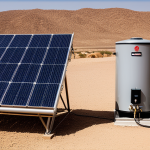
Harness abundant sunlight to cut energy costs and shrink your carbon footprint with solar water heaters tailored for the UAE’s climate. These systems deliver efficient, year-round hot water while benefiting from minimal maintenance and government incentives. Understanding the advantages and practicalities can help UAE residents and businesses make informed decisions that combine sustainability with long-term savings.
Key Benefits of Solar Water Heaters for UAE Residents
Solar water heaters offer substantial energy savings for residents in the UAE by harnessing the abundant sunlight available throughout the year. This renewable energy source reduces dependence on traditional electric or gas water heating systems, leading to significant decreases in electricity consumption. As a result, homes and businesses can enjoy more efficient water heating while lowering overall energy use.
In parallel : Essential winter plumbing strategies: key advice for scottish homeowners
When considering solar water heating advantages, one of the most compelling is cost savings. By reducing reliance on grid electricity, users experience lower utility bills, which can add up to considerable long-term financial benefits. Initial installation costs are often offset by these savings, making solar water heaters a practical investment for both residential and commercial properties. Additionally, the durability and low maintenance requirements of these systems contribute to their cost-effectiveness.
Beyond the financial and energy-related benefits, solar water heaters also contribute to a positive environmental impact. By reducing carbon emissions associated with fossil fuel consumption, they help lower the carbon footprint of households and businesses in the UAE. This aligns with regional goals for sustainable development and environmental responsibility, promoting cleaner air and resource conservation.
In the same genre : Revitalizing northern uk gardens: top strategies for enhancing drainage and permeability in clay soils
Exploring more about these advantages in the context of UAE’s climate and infrastructure can empower residents to make informed choices about adopting solar water heating technologies. For additional details on maximizing hot water efficiency using solar water heaters in the UAE, visit https://atlantic-comfort.ae/.
Suitability of Solar Water Heaters for the UAE Climate
The solar water heater UAE climate is exceptionally well-suited for this technology due to the region’s abundant, year-round sunshine. Solar potential UAE is among the highest globally, with an average of over 300 sunny days annually. This consistent sunlight ensures that solar water heaters operate at peak efficiency in hot climates, delivering reliable hot water without interruption.
In contrast to colder regions, where solar water heaters may require backup systems or suffer from reduced output during winter months, the UAE experiences minimal seasonal variation. This stability means the system’s performance remains consistently high, often exceeding expectations in energy savings and water heating capacity.
Moreover, the simplicity of maintenance stems from the steady environmental conditions. There is little risk of damage from extreme cold, freezing, or snow, which often complicate upkeep elsewhere. As a result, solar water heaters in the UAE benefit from low maintenance requirements, reducing long-term costs and enhancing durability.
In summary, the synergy between solar water heater technology and the solar potential UAE creates an optimal solution for users seeking efficient, eco-friendly, and cost-effective water heating. For those looking to explore this further, resources such as https://atlantic-comfort.ae/ offer comprehensive guidance on maximizing the advantages of solar water heaters in the UAE climate.
Government Policies and Incentives Supporting Solar Water Heating
Small text: Understanding the crucial role of policies in driving solar water heater adoption.
The UAE solar incentives have been pivotal in promoting renewable energy use, particularly solar water heating systems. The government’s proactive approach includes financial incentives, such as rebates and subsidies, designed to lower the initial cost burden on consumers. These measures make solar water heaters more accessible to a wider demographic, encouraging residents and businesses alike to shift towards clean energy solutions.
Complementing these financial supports are UAE’s renewable energy policies, which strongly emphasize sustainability and carbon footprint reduction. The government’s commitment is evident in regulations that facilitate easy installation and integration of solar water heaters into existing infrastructure. For instance, streamlined permitting processes and technical guidelines have been established to ensure safety and efficiency, boosting consumer confidence.
Moreover, the government support UAE aligns closely with national sustainability goals, including the UAE Vision 2021, which targets increased clean energy capacity and reduced dependence on fossil fuels. This regulatory environment not only incentivizes consumers but also attracts industry investments, accelerating innovation and market growth.
The combined impact of these policies is clear: there has been a significant rise in solar water heater adoption among UAE residents. Enhanced affordability, regulatory clarity, and long-term sustainability commitments motivate consumers to embrace solar technology. This demand growth further stimulates local suppliers and installers, creating a positive feedback loop that strengthens the UAE’s renewable energy landscape.
For those exploring options to maximize hot water usage sustainably, exploring government-backed incentives and policies can provide financial and regulatory advantages. More information can be found at https://atlantic-comfort.ae/.
Installation Considerations for UAE Homes and Businesses
Installing a solar water heater in the UAE involves unique factors. The region’s intense sunlight and hot climate provide excellent conditions for solar water heater installation UAE, maximizing energy efficiency. However, careful planning is essential to address specific environmental challenges and optimize performance.
Feasibility of solar water heater installation UAE depends heavily on the structure’s rooftop solar UAE suitability. Rooftops must have sufficient space and receive unobstructed sunlight throughout the day. Flat roofs or those with minimal shading are ideal. When you plan installation, it’s crucial to evaluate rooftop design compatibility and space requirements to ensure panels or collectors can be securely mounted and oriented correctly.
Maintenance requirements for systems in the UAE differ from temperate climates due to sand, dust, and high temperatures. Regular cleaning is necessary to prevent dust buildup, which can reduce efficiency. Additionally, inspection of pipes and insulation should be more frequent to avoid damage from intense heat. Employing materials resistant to UV exposure and corrosion helps extend system life. Implementing scheduled maintenance practices suited for desert environments ensures the solar water heater continues to operate at peak performance with minimal disruptions.
Whether for homes or businesses, considering rooftop solar UAE capabilities and adapting maintenance routines to desert conditions is key in successful solar water heater installation UAE. For those seeking detailed guidance on maximizing solar water heater benefits, resources like https://atlantic-comfort.ae/ provide valuable insights.
Comparative Analysis: Solar vs. Traditional Water Heating Methods
When comparing solar vs electric water heaters in UAE, it’s crucial to focus on energy consumption, cost efficiency, and performance tailored to local conditions. Solar water heaters harness abundant sunlight in the UAE, significantly reducing energy consumption compared to electric water heaters that rely solely on grid electricity. This difference translates to substantial savings in running costs over time since solar heaters mainly use renewable energy after installation, while electric heaters incur continuous electricity expenses.
In terms of energy comparison, solar heaters convert sunlight directly into heat, offering a sustainable and eco-friendly solution ideal for the UAE’s sunny climate. Electric water heaters, while offering consistent and immediate hot water, consume more electricity and therefore have a higher carbon footprint. This makes solar water heaters not only cost-effective but also environmentally responsible.
Cost comparison between these two methods reveals that while initial installation costs for solar water heaters can be higher, the long-term savings in energy bills often offset this investment. In contrast, electric water heaters have a lower upfront cost but higher operational expenses due to electricity usage. For many UAE households and businesses, shifting to solar can mean a more favorable return on investment over 5 to 10 years.
Performance-wise, solar water heaters perform optimally in the UAE’s intense sunlight, providing reliable hot water even during winter months. However, during rare overcast days, electric heaters can serve as a dependable backup, ensuring continuous hot water availability. This complementary reliability underlines the hybrid approach some households adopt.
Real-world case studies demonstrate that UAE enterprises leveraging solar water heaters experience reduced energy bills and enhanced energy independence. Similarly, residents in sunny regions consistently report heightened satisfaction with consistent hot water supply and lower monthly costs compared to electric water heating systems.
For more information on maximizing hot water efficiency in the UAE, consider exploring solutions such as solar water heaters through https://atlantic-comfort.ae/.
Exploring Solar Water Heaters in UAE
Solar water heaters in UAE offer an efficient and eco-friendly solution to meet domestic hot water needs. These systems utilize solar energy to heat water, significantly reducing electricity consumption and utility bills. The abundant sunshine in the UAE makes solar water heaters an ideal choice for homeowners seeking sustainable energy options.
How do solar water heaters work in the UAE? Essentially, solar water heaters incorporate solar collectors that absorb sunlight and convert it into heat. This heat is then transferred to water stored in insulated tanks. The system is designed to function efficiently even on cloudy days, thanks to advanced technology that maximizes heat absorption. The precise mechanism involves circulating water through panels exposed to sunlight, then storing the heated water for household use.
Solar water heaters provide multiple benefits beyond cost savings. They reduce carbon emissions, helping to ease environmental impact. Additionally, these systems require minimal maintenance once installed, ensuring long-term reliability.
For residents concerned about the integration of solar water heaters with existing plumbing, modern designs offer seamless installation options tailored for UAE homes. Considering the region’s climate, solar water heaters optimize hot water availability year-round, delivering consistent performance.
If you want to maximize your hot water usage and explore the many advantages of solar water heaters in UAE, detailed insights and expert advice are available at this resource. Embracing solar water heaters not only supports sustainable living but also contributes to lowering household energy costs effectively.